
Utility
Incoming grid feed
A plain-language walk-through of essential electrical system planning, generator sizing, and where natural gas and diesel each fit — for facility managers, engineers, and EPC teams.
In the US, NFPA 99 (Health Care Facilities Code) and NFPA 110 (Standard for Emergency and Standby Power Systems) frame hospital backup power around three branches: life safety (egress lighting, alarms, life-support outlets), critical (operating rooms, ICU, task lighting), and equipment (HVAC, sterilizers, other non-life-critical loads). The generator serving the life-safety and critical branches is typically classified Type 10 / Level 1 and expected to restore power within 10 seconds, with on-site fuel — which is why diesel remains the default choice for that branch. Outside the US, your local ministry of health or electrical code authority sets the equivalent framework (often IEC-based) — the branch logic is similar even where the standard's name is different.
This page is general engineering guidance, not legal or code compliance advice. Requirements vary by country and jurisdiction. Always confirm final design with your local authority having jurisdiction (AHJ) and a licensed electrical engineer.
Typical power flow
Incoming grid feed
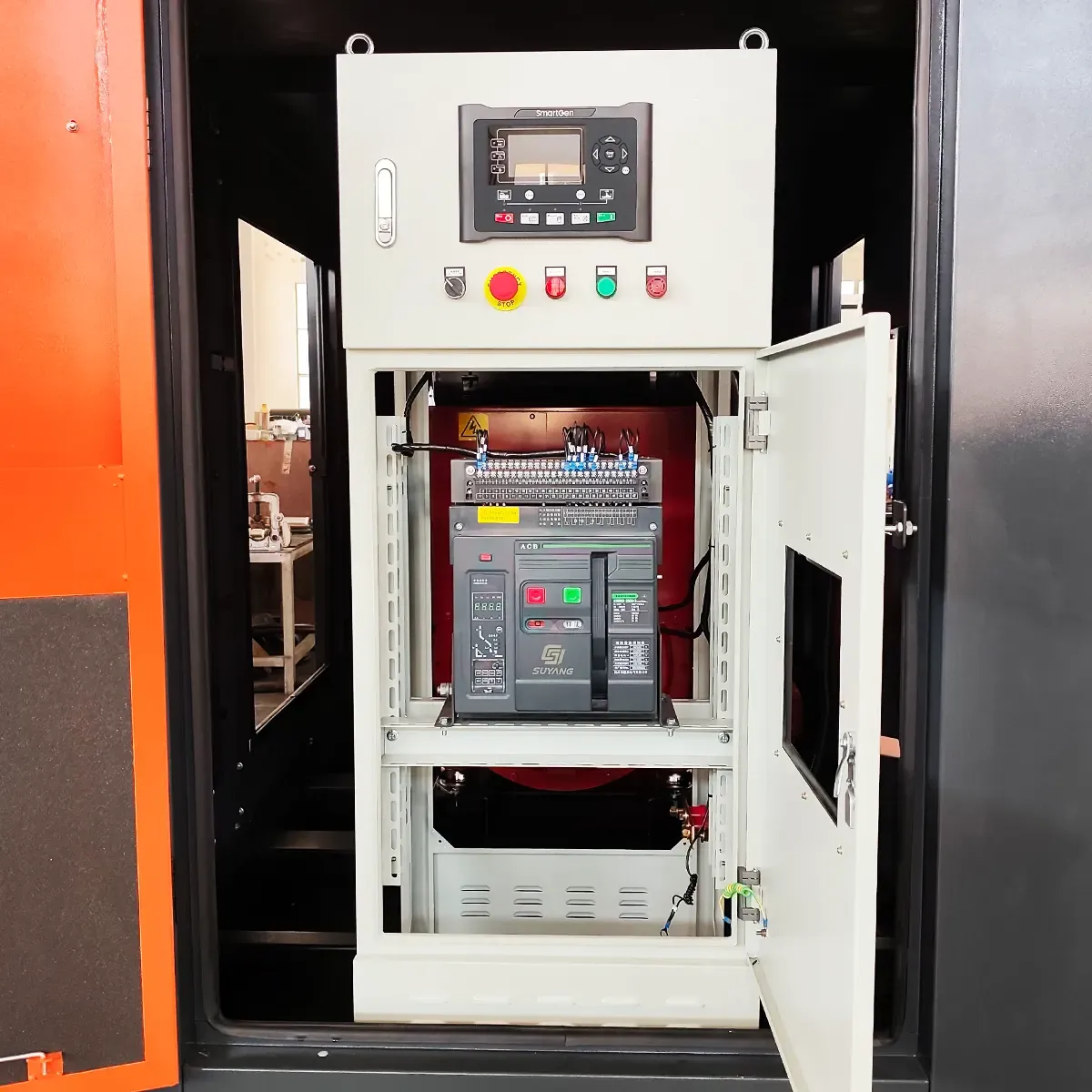
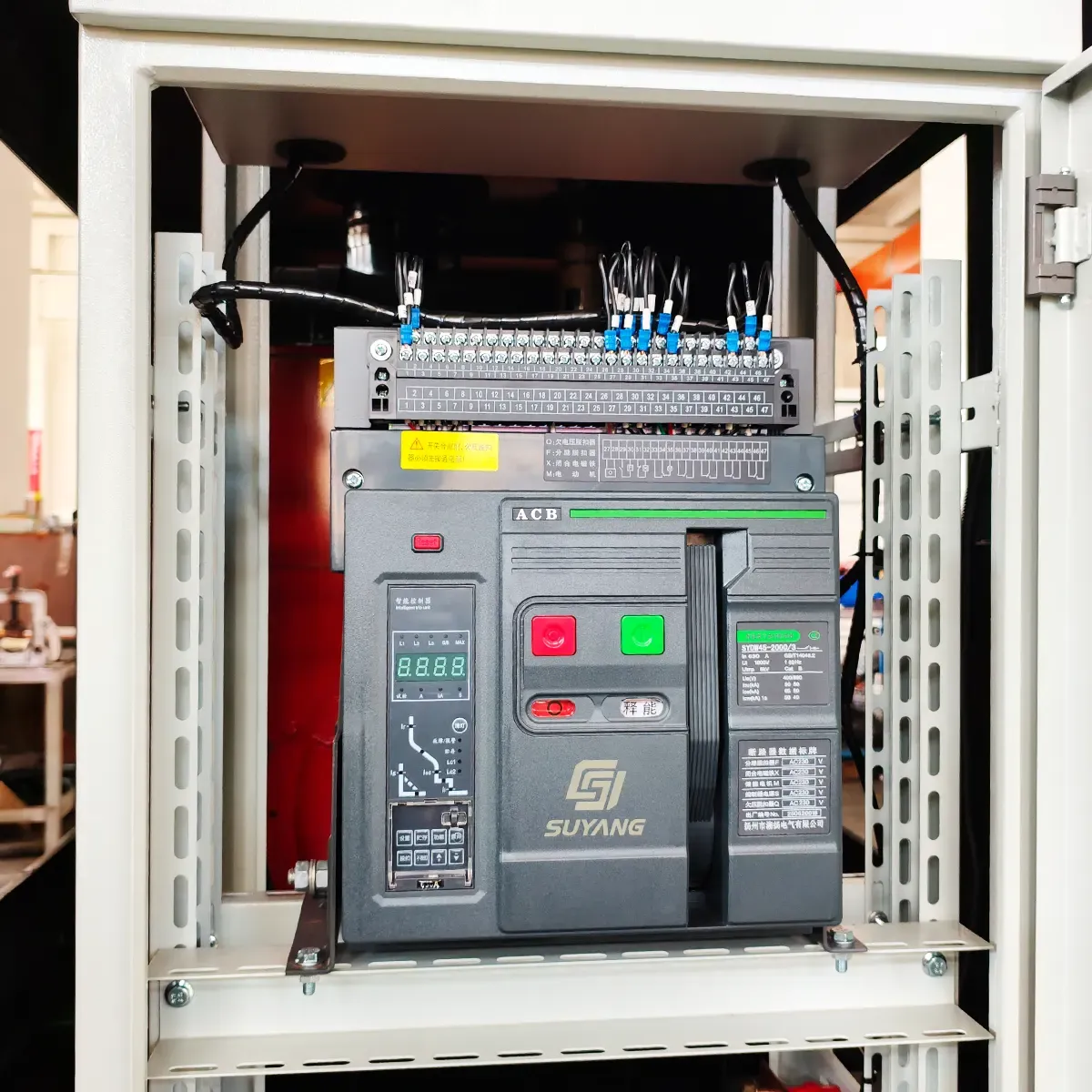
Automatic transfer switch
Egress lighting, alarms, life-support outlets
Operating rooms, ICU, task lighting
HVAC, sterilizers, other non-life-critical loads
Life-safety + critical · on-site fuel, 10-second restore
Equipment + continuous · pipeline gas or biogas
Critical care, imaging, HVAC, sterile processing, life-support equipment, plus lighting and general power.
Not every load runs at peak simultaneously; oversizing wastes capital, undersizing risks nuisance trips.
Altitude and ambient temperature derate a generator's continuous output; hot or high-altitude sites need a larger nameplate rating.
Diesel for the code-mandated life-safety branch; natural gas/biogas for continuous, equipment-branch, and CHP loads.
N+1 configuration keeps critical loads online during scheduled maintenance or a unit fault.
| Criteria | Life-safety / critical branchTypically code-mandated | Continuous / equipment / CHP loads |
|---|---|---|
| Typical fuel | Diesel (on-site storage, fast start) | Natural gas, biogas, dual-fuel |
| Run profile | Standby, limited annual hours | Continuous or long-duration standby |
| Sizing driver | Code-minimum life-safety + critical load | Baseline demand + CHP heat recovery target |
Typically code-mandated
Answers for facility managers, engineers, and EPC teams planning hospital backup power. Get sizing support →
In most countries, yes — health-facility codes require emergency power for life-safety and critical loads, though the exact standard and required run-time vary by jurisdiction. Confirm the applicable code with your local AHJ.
Code minimums vary by jurisdiction and fuel storage capacity; many facilities plan for 48–96 hours of on-site fuel for the life-safety unit, sometimes longer depending on local requirements and resupply logistics. This is a key reason facilities pair diesel with a continuous-duty gas set — it reduces how often the diesel reserve is drawn down.
It depends on your load list, diversity factor, site altitude/temperature, and how many branches the unit must serve. Share your one-line diagram and our engineers will return a sized recommendation.
Under NFPA 99, Type 1 applies to facilities where power loss could cause major injury (most hospitals); Type 3 applies to smaller/limited-care facilities with lower risk. The type determines which loads must be on the emergency system and how quickly power must restore.
In some designs, yes, for equipment-branch loads — but the life-safety and critical branches are almost always diesel because of on-site fuel and rapid-start requirements. Confirm branch-by-branch requirements with your engineer of record.
This is exactly why N+1 redundancy and routine load-bank testing matter — a second unit (or a properly maintained single unit with a tested transfer scheme) prevents a single point of failure from taking down life-safety power.
Send your load list or one-line diagram, site location, and fuel preference. We'll return a sized option and, where useful, loop in your engineer of record.
Send your load list, site location, and fuel preference. Our engineers typically reply within one business day.