
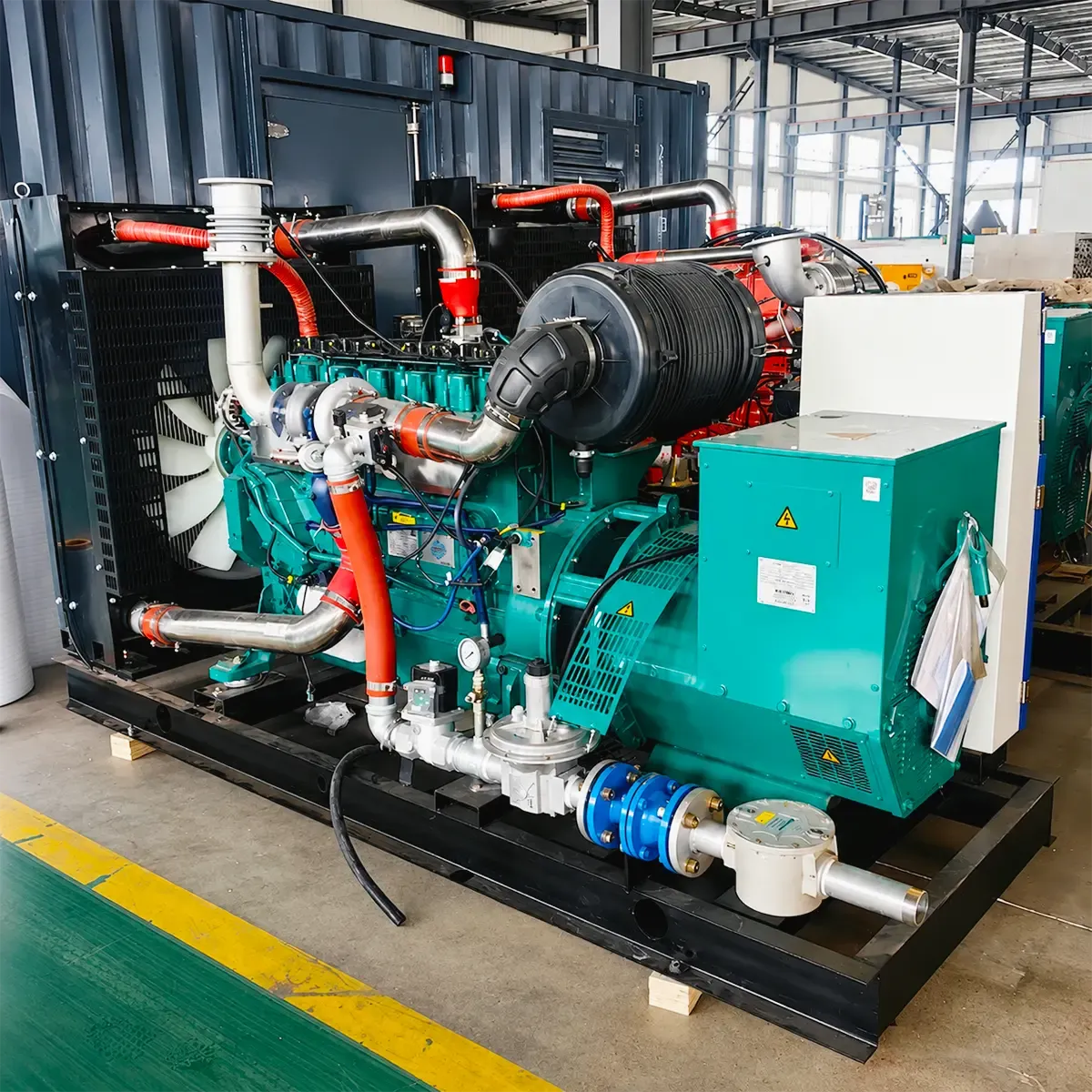
Diesel
Life-safety branch — code-required diesel
Keep your diesel unit for the life-safety branch. Use a factory-direct natural gas generator set for continuous power, CHP, and everyday redundancy — from 150 kW to 1.4 MW.
A code-required diesel generator is sized and tested to carry life-safety and critical loads for a limited number of hours a year. It is not the most efficient way to run continuous loads, absorb daily demand spikes, or recover waste heat. A natural gas or biogas generator set — sized separately and run far more hours — reduces utility draw, cuts diesel fuel and maintenance cost, and (with a CHP configuration) recovers heat for laundry, sterilization, and domestic hot water.
Life-safety branch — code-required diesel
Continuous / CHP branch — pipeline gas
Runs non-life-safety loads full time; sized for your baseline demand, not just emergency backup.
Recovered heat feeds laundry, sterile processing, and hot water systems — improving overall site efficiency above 90%.
Pairs with your existing diesel life-safety unit so gas carries daily load and diesel stays reserved for its code role.
Natural gas produces fewer particulates than diesel — relevant where local air-quality permitting is a project constraint.
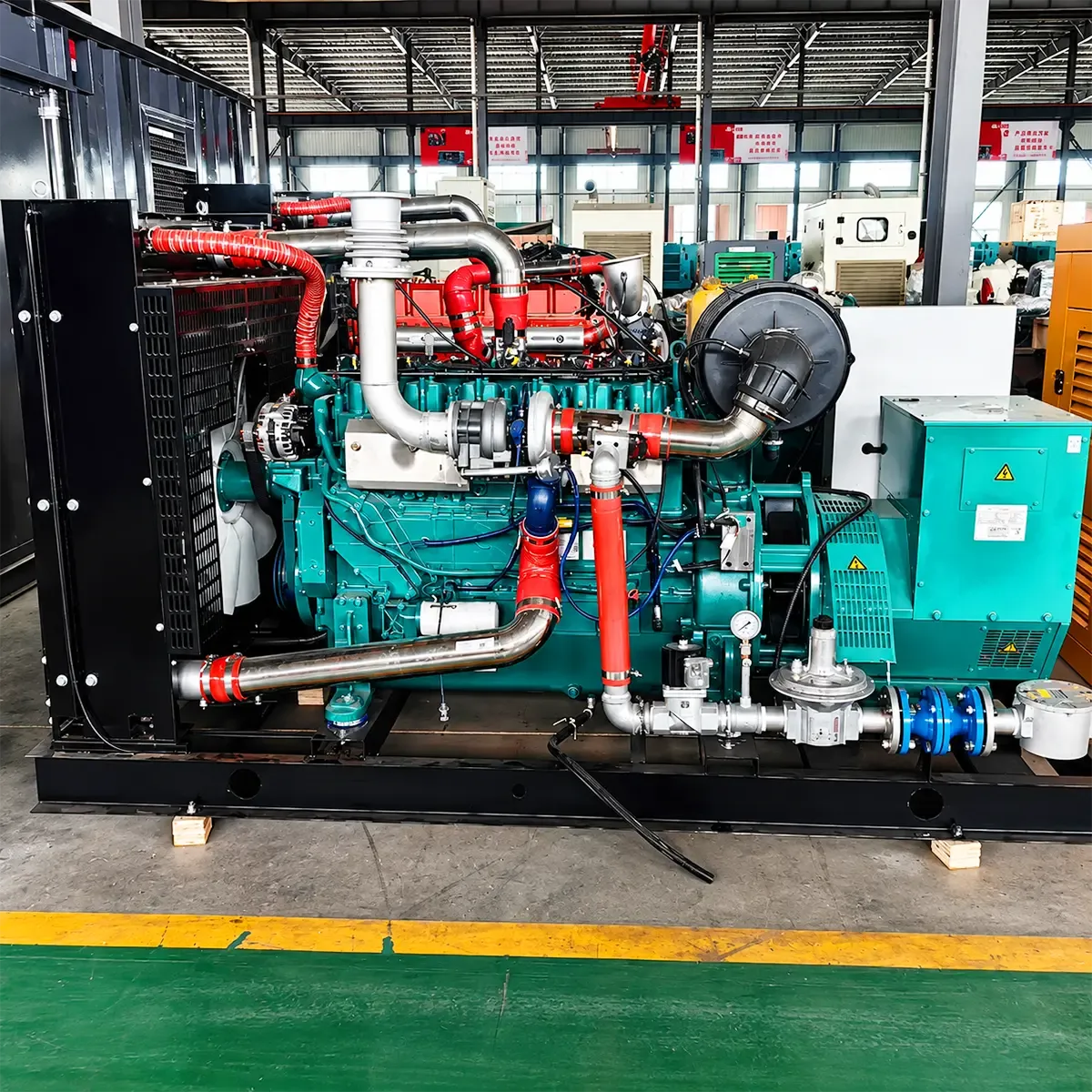
Continuous duty, ATS-compatible, hotel/clinic-scale campuses
View unit →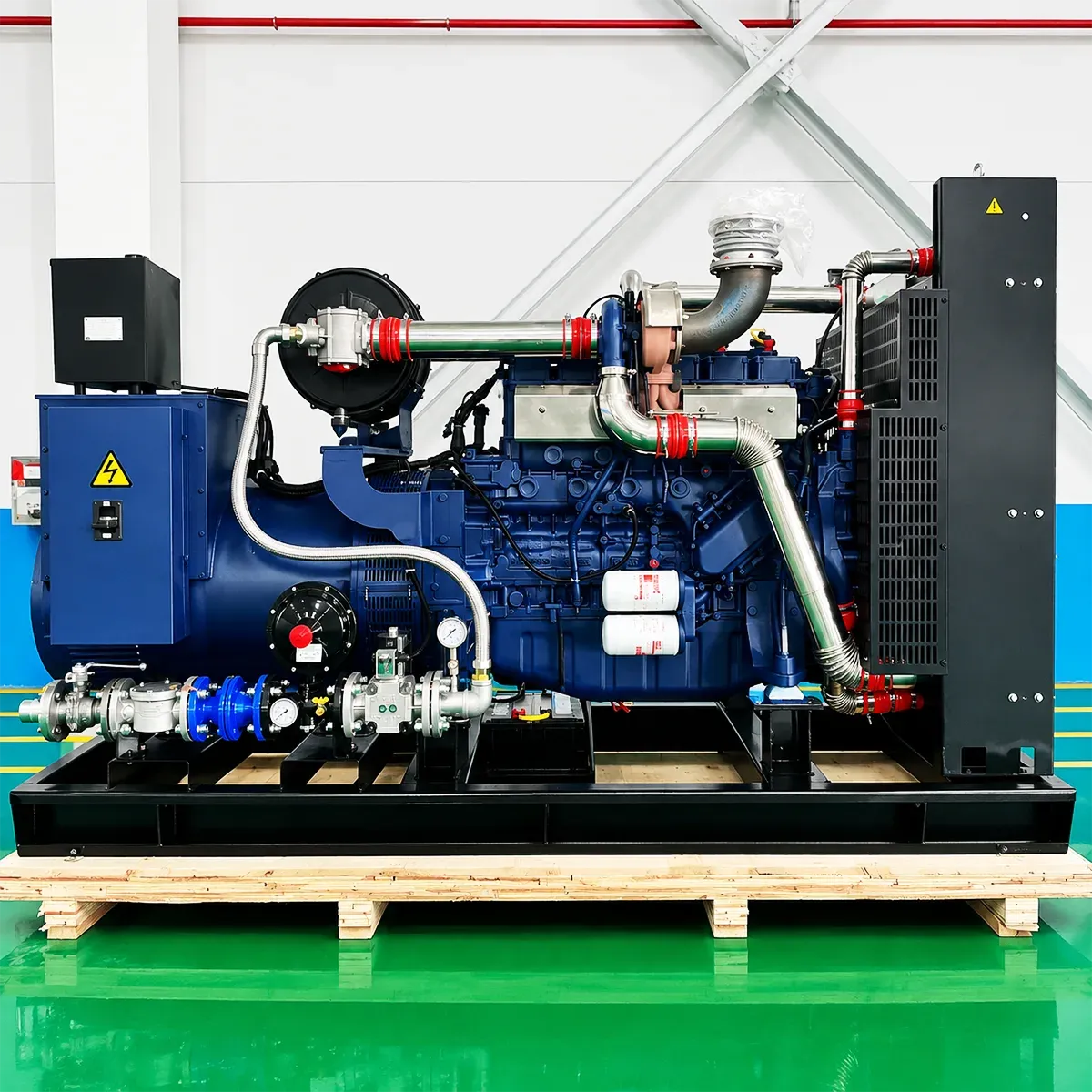
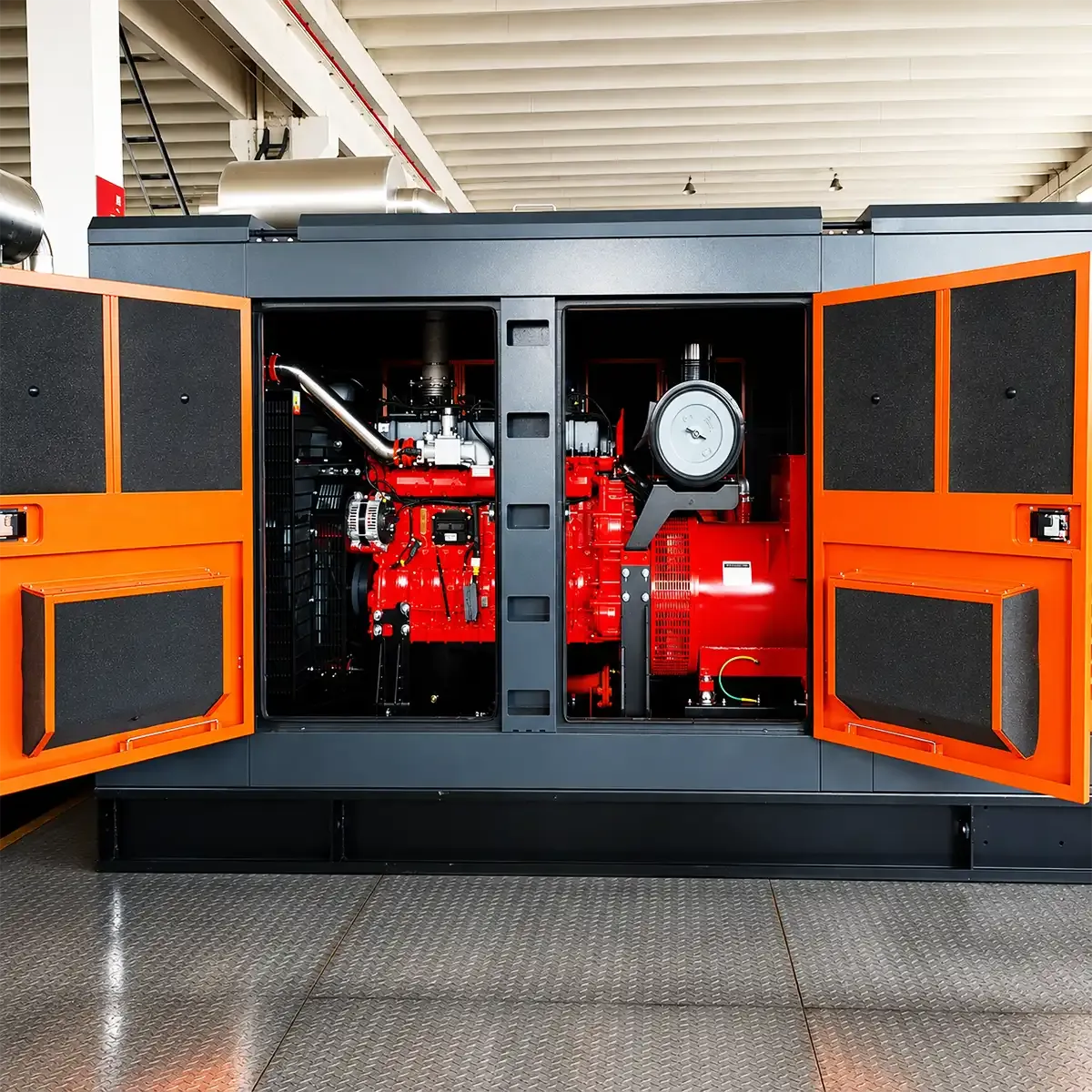
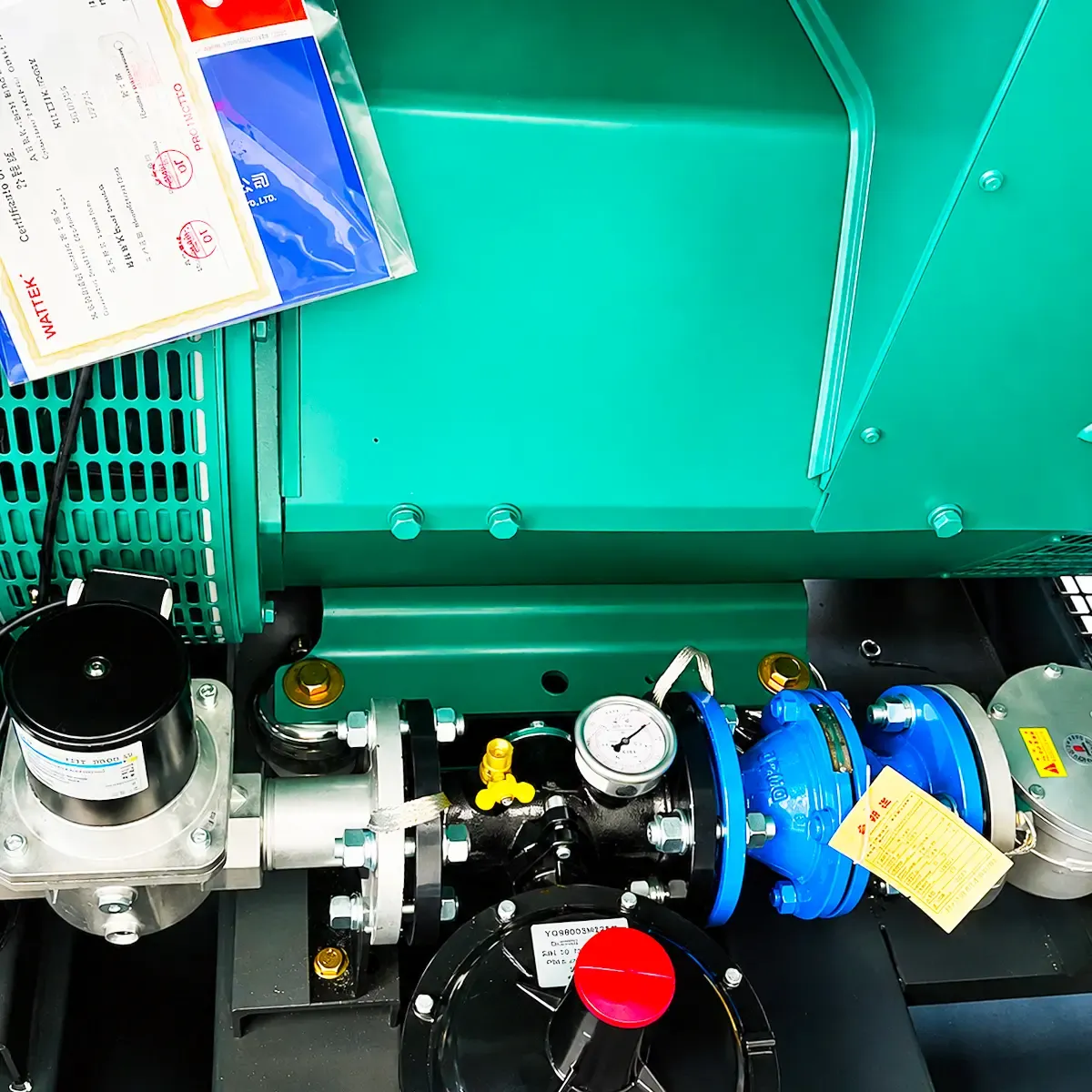
SmartGen controller, soundproof enclosure, CCHP-capable
View unit →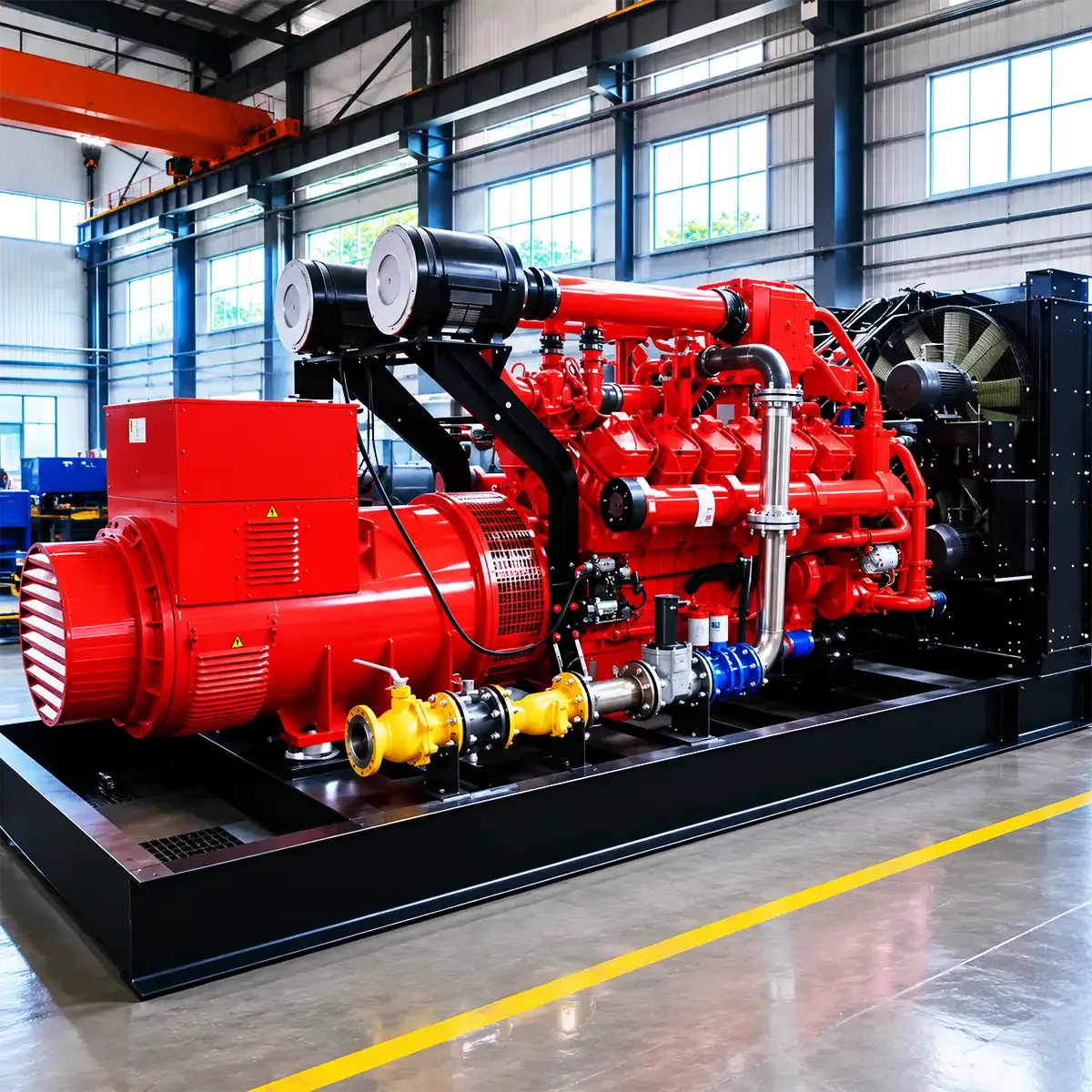
Millisecond load-step response, multi-fuel, N+1 redundancy
View unit →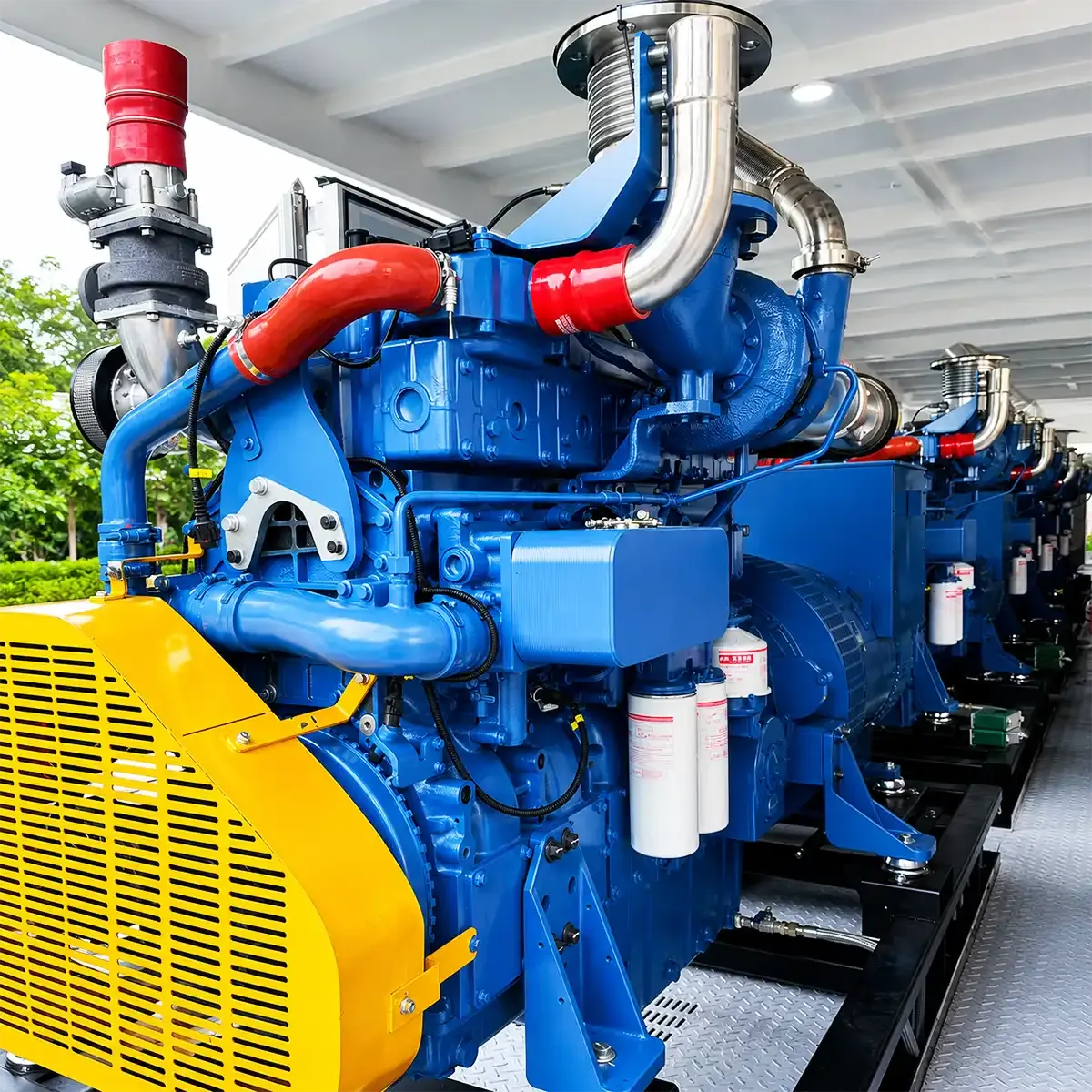
Four 350 kW engines in one containerized plant, parallel-ready
View unit →Answers on diesel vs. gas, CHP, and documentation for hospital tenders. Request a quote →
Requirements vary by jurisdiction. In most US facilities under NFPA 99/110, the life-safety branch is diesel. Natural gas sets are commonly used for equipment-branch, continuous, and CHP loads alongside the code-required diesel unit. Outside the US, confirm with your local health-facility electrical code.
No on-site fuel storage or resupply logistics, lower particulate emissions, and typically lower per-kWh running cost for high-hour continuous duty.
Electrically yes — with synchronizing, load-sharing, and protection, not just an ATS. In most hospital designs the gas set complements the diesel life-safety unit on a separate bus or transfer scheme. Common-bus paralleling with an existing diesel plant needs compatible controls, a defined loading sequence (diesel typically takes critical load first), and commissioning with your engineer of record. We size the gas plant to complement — not replace — the code-required diesel system.
Combined heat and power recovers engine waste heat for hot water, laundry, and sterilization loads. Hospitals run these loads year-round, which is what makes CHP economics work — payback improves with more recovered-heat hours per year.
150 kW to 1.4 MW per unit. Multiple gas units can be paralleled for larger campuses; that is gas-to-gas paralleling, not a substitute for your diesel life-safety generator.
Yes — several models support natural gas, biogas, and associated gas, with dual-fuel configurations available where pipeline supply needs a backup path.
Factory test reports, technical datasheets, certificate of origin, and OEM engine letters to support your bid package and AHJ submission.
Tell us your load, fuel preference, and site country. Our engineers usually reply within one business day with sizing and a spec outline.